These are the questions a person asks who plans to stay on a small island for weeks. Timetables, rules and prices change, so please check current information before you book.
✈️Getting there and accessibility
Fly to Malta International Airport, then take a car, taxi or bus to the north of Malta and cross to Gozo by ferry.
- →The Gozo Channel ferry from Ċirkewwa to Mġarr takes about 25 minutes and runs day and night, more often by day
- →A fast ferry from Valletta also serves Gozo, check the current schedule
- →Plan around 1.5 to 2 hours door to door from the airport, depending on transfer and ferry timing
- →Old towns, Cittadella and many streets are hilly with steps and uneven stone; step-free routes exist but are not everywhere
- →If you travel with limited mobility, tell us before you book and we will check the options
To be honest: Bad weather can delay the ferry. Do not book a critical meeting for the hour after you land.
🚌Getting around
Victoria is the public transport hub. You can live well without a car if you stay close to Victoria or the harbour.
- →Public buses connect villages, with fewer services in the evening and on Sundays
- →Bolt and local taxis are quick and easy for short rides
- →A rental car, scooter or e-bike helps to reach remote bays and trails
- →Parking is tight in old centres; Workspace Gozo has no parking of its own
- →Traffic drives on the left, roads are narrow and drivers are assertive
To be honest: First time driving on the left? Rent for a day first or use Bolt in the first week.
🩺Medical services
Gozo has its own general hospital in Victoria with an emergency department, plus health centres, private doctors and pharmacies in the villages.
- →Emergency number: 112
- →EU and EEA visitors usually use their European Health Insurance Card; check what it covers
- →Private doctors and clinics are available and usually paid on the spot
- →Some specialist treatment is done at the main hospital on Malta, reached by ferry or ambulance
- →Bring regular medication in sufficient quantity and carry the prescription
To be honest: For employers: an international health and accident policy with repatriation cover is the safe choice for a stay of weeks.
🛡️Safety
Gozo is generally regarded as a safe, quiet island where people know their neighbours. Normal precautions apply.
- →Low everyday risk, but petty theft can happen: lock cars and keep valuables out of sight
- →Sea safety: follow the flags, watch for currents and jellyfish, do not swim alone at remote spots
- →Sun and heat: water, shade and sun protection from late spring to early autumn
- →Coastal cliffs have no barriers in many places: stay on paths and keep children close
- →Roads and scooters are the most common cause of accidents, wear a helmet
To be honest: We do not publish crime statistics because we cannot verify them here. Ask your travel-safety provider for a current assessment.
🥾Walks and hikes
Gozo is small and green, with coastal paths, valleys, salt pans and cliffs that you can reach on foot from many villages.
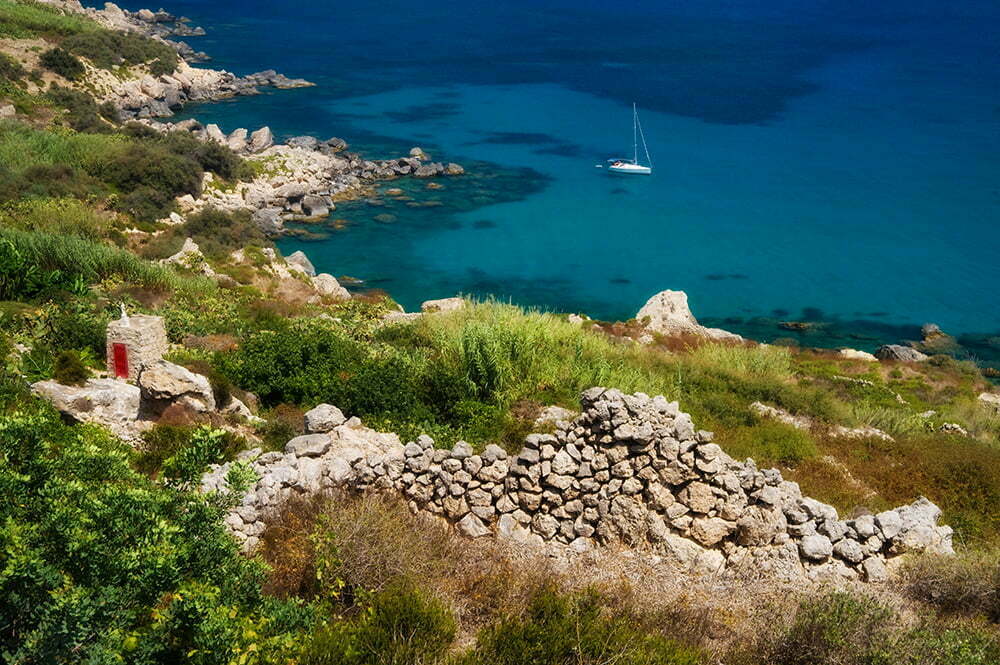
- →Cliff and coastal walks around Ta’ Ċenċ, Dwejra and Xlendi
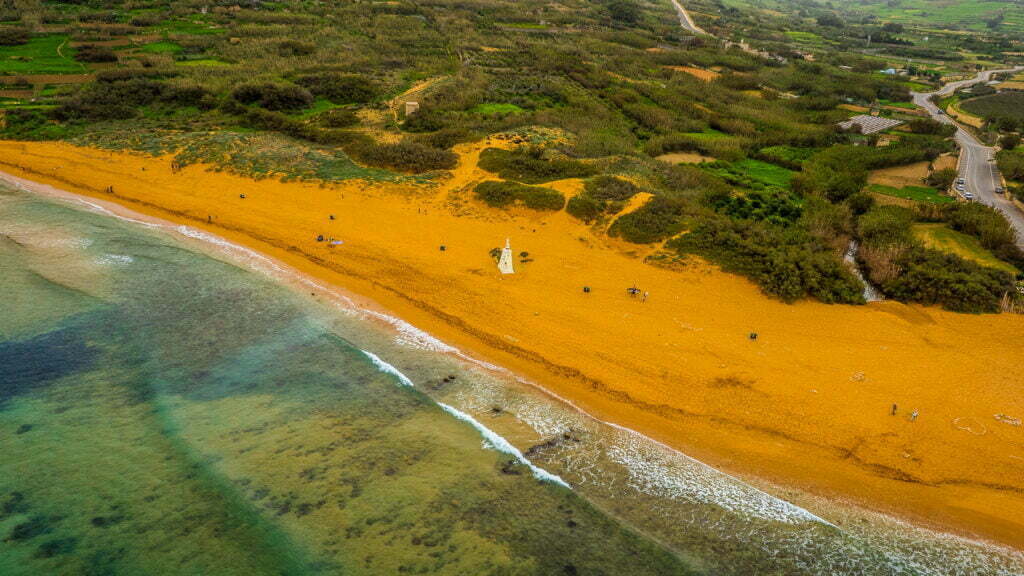
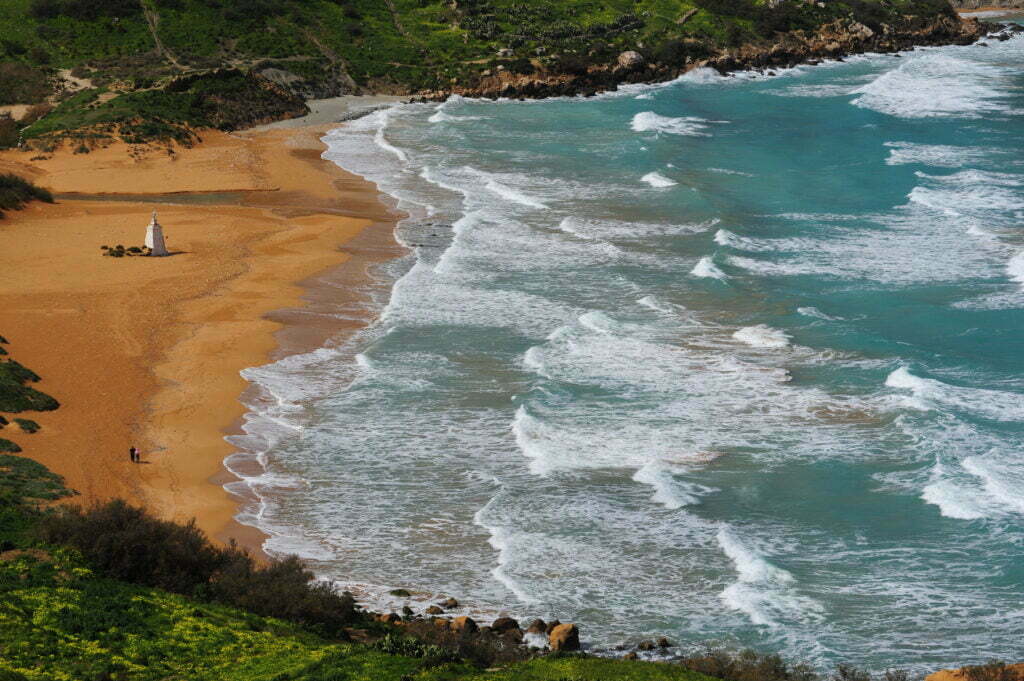
- →The salt pans near Xwejni and the red sand of Ramla Bay
- →Short half-day routes fit between work blocks, longer routes suit weekends
- →Best months for walking: autumn to spring; in summer start early
- →Bring sturdy shoes, water and a hat, shade is scarce
To be honest: Trails are often unmarked and rocky. Download an offline map before you set out.
🌊Relaxation and wellbeing
Rest is built into the island: sea, quiet evenings and a slower pace.
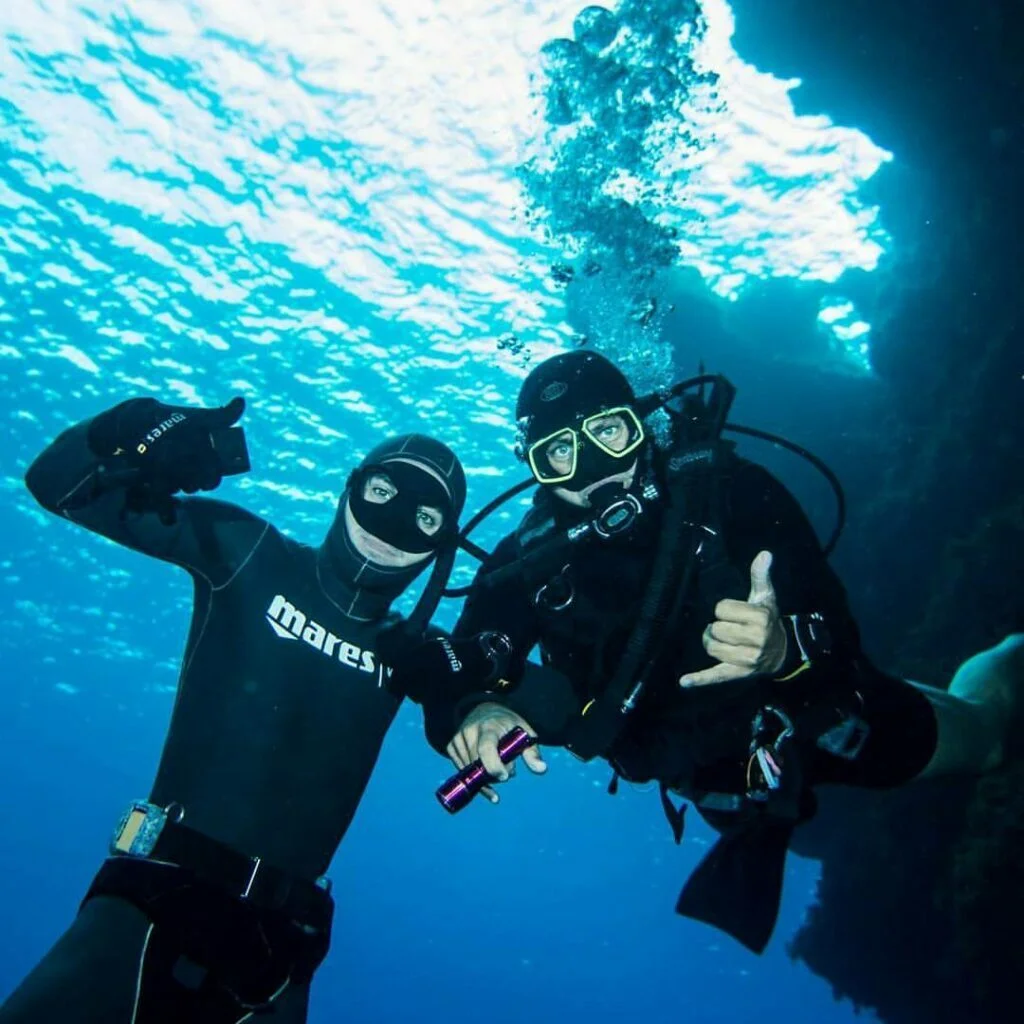
- →Swimming in the sea from late spring into autumn, snorkelling and diving all year
- →Gozo is well known for diving, with wrecks, caves and clear water
- →Yoga, spa and massage offers exist, mainly through hotels and small studios
- →Darker skies than on Malta, good for evenings outside
- →Farmhouses with a pool or garden support a real switch-off
To be honest: Wellness choice is smaller than in a large city. If a specific class or therapy matters, ask us first.
⛪Traditions and Mediterranean warmth
Gozo is a village island with a strong Catholic tradition and a warm, direct way of dealing with people. Many guests love it. Some find it loud.
- →Village feasts (festa) in summer bring brass bands, processions and fireworks, sometimes starting early in the morning
- →Church bells ring through the day; Good Friday and other religious processions are a big part of island life
- →Sundays are slower, and some shops close or have shorter hours
- →People greet each other and chat; small talk is part of every errand
- →Long meals, family focus and a relaxed sense of time, sometimes called island time
- →In churches, dress modestly: covered shoulders and knees
To be honest: Some traditions are loud and early, such as fireworks and, in autumn, hunting in the countryside. If you are noise-sensitive, ask for a quiet location and bring earplugs.
👨👩👧Families and children
Gozo is a relaxed place for children: small distances, a lot of outdoors and a family-oriented local culture.
- →Sandy beaches such as Ramla Bay, rock pools and calm bays, always check sea conditions
- →Historic sites like the Ġgantija temples and Cittadella make easy family outings
- →Farmhouses with a garden or pool give children space to play
- →Many locals are warm with children and happy to help
- →Hot summers: plan activities for morning and evening, rest in the midday heat
- →Cobbled, hilly streets and narrow pavements are hard with prams
To be honest: A workcation with children works best when one adult plans the childcare during work hours. Ask your host about babysitting; we do not run childcare.
🎓Education and school
English is an official language and widely used in schools, so children can follow lessons. Options for a stay of weeks are limited.
- →Gozo has state, church and independent schools, taught in Maltese and English
- →Larger international school choice is on Malta, which means a daily ferry commute
- →The University of Malta has a campus on Gozo
- →For stays of a few weeks, most families use school holidays or agree remote lessons with the home school
- →Ask the home school early whether remote learning or a leave of absence is allowed
To be honest: School attendance rules differ by country. Check them before you plan a stay during term time.
🧾Taxes, visa and employment law
This is where companies need to be careful. Working abroad for weeks can touch income tax, social security, employment law and tax residence of the company.
- →Income tax: short stays usually stay taxed in the home country, but each country and each treaty decides; check the day limits
- →Social security: inside the EU, an A1 certificate normally keeps the employee in the home system; ask the insurer
- →Company risk: a permanent establishment or payroll duties in Malta can arise in some set-ups, ask your tax advisor
- →Entry: EU and EEA citizens can stay freely for short periods; longer stays have registration rules
- →Non-EU citizens: check visa rules; Malta offers a residence permit for remote workers, with conditions that change
- →Data and security: GDPR, VPN, device protection and the employer’s accident insurance should cover work abroad
To be honest: General information, not tax or legal advice. Rules depend on the employee’s country, the employer and the length of stay. Confirm with a tax advisor before you approve a workcation.